

Health / Teenager ‘feels neglected by NHS’ after years-long endometriosis fight
Esmé Capp raising awareness and funds for charity following diagnosis last month

“IF YOU genuinely think there’s a problem, don’t stop until you get answers.”
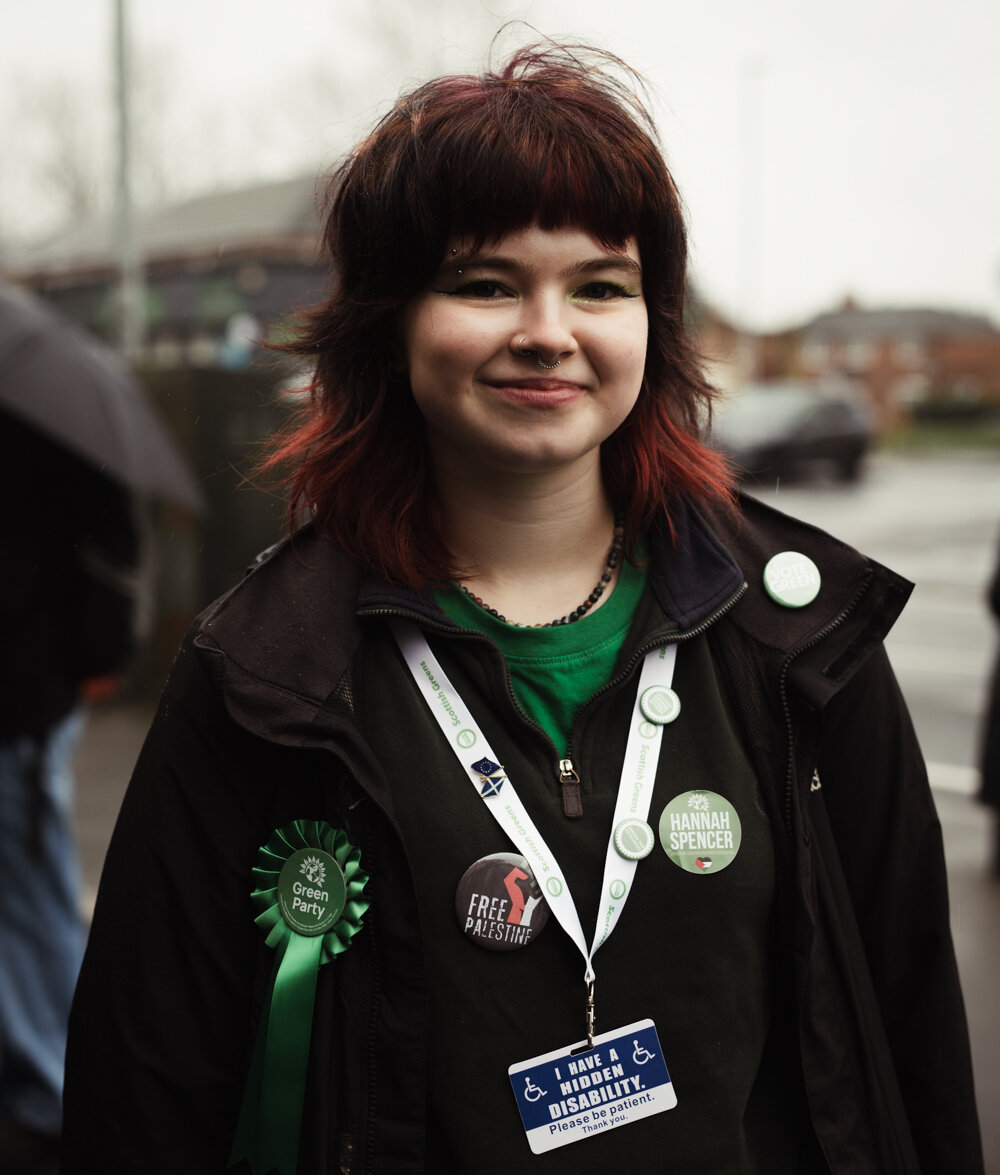
Esmé Capp is only 19, but she has spent the entirety of her adult life battling for someone to listen to her.
Aged just 14 she sought help for her painful periods, but was told that it was “completely normal” and that she “was just too sensitive”.
She put up with the pain for another five years, before being sent to A&E last summer after a month-long period left her dizzy, nauseous and in excruciating pain.
Despite that episode – which left her needing morphine and unable to eat – Esmé was told she might “never find answers” to the problem, and to “stop wasting [her] life” at GP appointments.
Only after her parents paid £350 for her to undergo a private medical test did she get the diagnosis she had waited years for – she had endometriosis.



Endometriosis is where cells similar to those in the lining of the womb grow in other parts of the body, and can cause debilitating pain during menstruation and ovulation.
Just a month after it was confirmed Esmé had the chronic condition, she is set to take on a month-long charity fundraiser in aid of Endometriosis UK.
She will scale 10 summits in Edinburgh throughout March, a nod to the statistic that one in 10 women of reproductive age live with the illness, and fittingly it will also take place during Endometriosis Action Month.
Years fighting for answers
Esmé feels like she was “neglected by the NHS and by the whole system” – something she wants no-one else to have to go through.
Become a member of Shetland News
The teenager, who lived in Shetland for five years before moving to Edinburgh for university, said she had “always had painful periods” but had been told that it would calm down.
She began to realise that her friends were not having the same experience she was, but repeated trips to the GP from the age of 14 onwards failed to help.
“I just wasn’t believed, even when it wasn’t getting any better,” she told Shetland News.
“I kept feeling they were just brushing it off, that it would resolve itself, even when it was getting worse.”
Esmé moved to Edinburgh in 2024 and was given the birth control implant to try to regulate her periods.
While that stopped her periods entirely for six months, when they returned they were worse than ever – lasting for weeks at a time.
In August 2025 Esmé experienced a period that lasted the entire month, and left her feeling dizzy and nauseous due to the amount of blood she was losing.




















“I went to the doctor and asked for a gynaecologist appointment, but I was told that was ‘completely inappropriate and unnecessary’,” Esmé said.
“I wasn’t able to eat, I couldn’t sleep because the pain was unbearable.”
She phoned NHS 24 and was told to go to A&E immediately, where she was given morphine to stop the incessant pain.
But despite getting medication to stop the bleeding, Esmé was “left without any answers” about the cause and just sent home.
A month later she found herself ill again during her period, but was told by a GP to “stop wasting my life” in doctor’s offices.
“That destroyed me. That was really hurtful,” she said.
“I was told I might never find answers.
“Obviously I didn’t enjoy going to the doctor every other week, but I had no other option. They seemed to be saying that this was something I enjoyed doing.”
Private treatment and diagnosis
Unsurprisingly Esmé moved to a different GP, who conducted an ultrasound on her – which came back negative.
“It’s quite common for endometriosis not to show up on those,” she explained.
“Obviously it was a relief for it to come back clear, but it was also a punch in the stomach. I was right back to square one.”
Running out of options, her mother found her an endometriosis specialist in Edinburgh who told Esmé it was very likely she had the condition.
“It was the first time in five years I felt like anyone actually believed me,” Esmé said.
Running out of options, her parents paid for her to get an endosure test – effectively a non-invasive check, like an ECG for the pelvis – through private care in Glasgow.
“I was told I might never find answers” – Esmé Capp
It cost £350, and Esmé said that she was lucky her family were able to pay privately for her to get the test.
“But we shouldn’t have had to,” she added. “It seems like a lot of money, but I genuinely had no other options.”
The test only shows endometriosis at more advanced rates, and Esmé says she was fully expecting to be told it was negative.
But to her shock the test confirmed that she had either stage three or four endometriosis, with “quite a bit of evidence” that it was in various places.
“They told me that my ovaries were being pulled towards each other,” she said.
Esmé says she “went through all the emotions at once” after her diagnosis was confirmed to her following an MRI scan last month.
“I was happy that it wasn’t all in my head, because when you hear something often enough you start to internalise it and believe it.
“It was relieving, but also really, really sad and really disappointing.”
Advice for fellow sufferers
The average time for a person to be diagnosed for endometriosis is incredibly 10 years, with some people only finding out they have the condition much later in life.
Esmé’s persistence meant she got the diagnosis just a few months shy of her 20th birthday, but she is frustrated at the fight she had to put up just to get there.
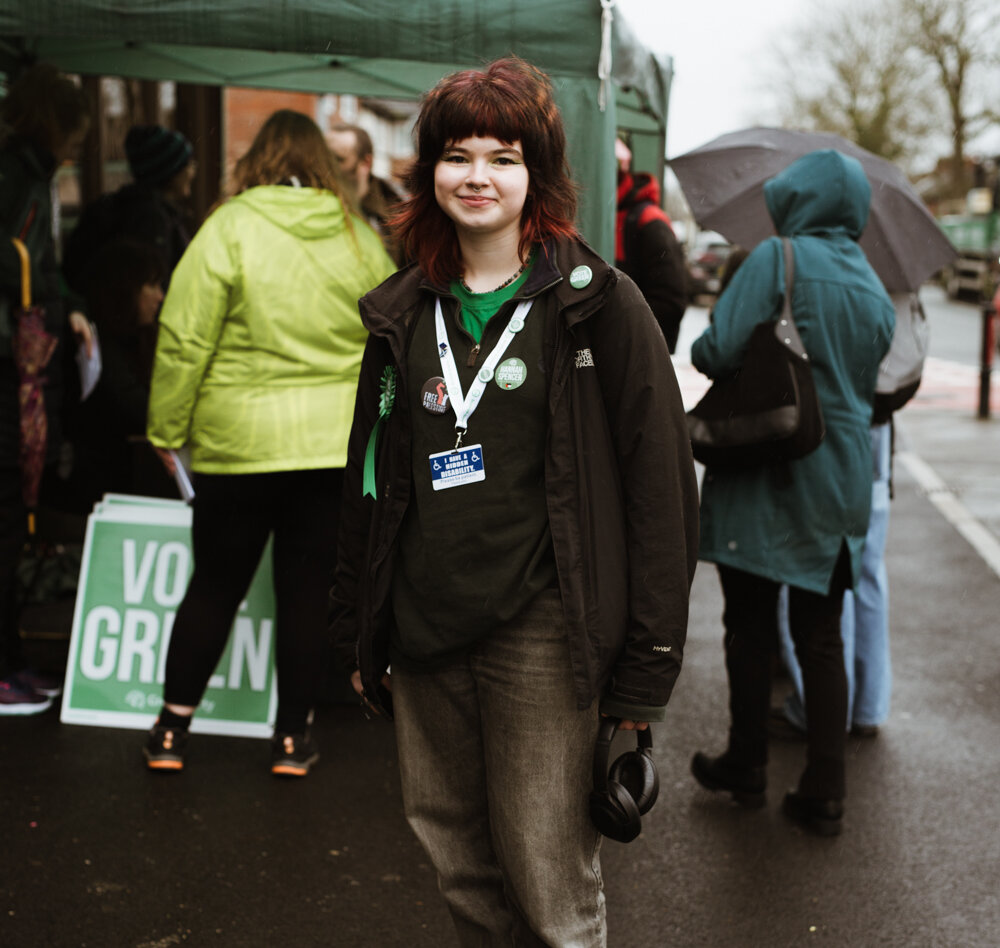
“I feel neglected by the NHS and just the whole system,” she said.
“There isn’t enough education for doctors about endometriosis – it needs to be improved. It isn’t some rare thing, it’s very common.
“Even though it’s too late for me, if I can help someone realise they have it then hopefully they can get treatment before it’s too late.”
Her advice for anyone who feels that something is not right with their periods is clear: “Don’t give up and trust your own body”.
“Don’t let people or doctors try and tell you any different,” Esmé added.
“If you genuinely think there’s a problem, don’t stop until you get answers.
“I could have easily given up, and I did want to give up, but I couldn’t take no for an answer.”
She is now on a medication which aims to slow the progression of her endometriosis, and also to ease her pain.
Esmé will undergo surgery to remove her endometriosis later this year, after her exams are finished.
However there is a reoccurrence rate of around 50 per cent, meaning it could still return in the months and years after surgery.
Having waited years for her diagnosis, Esmé is wasting no time in raising awareness of the condition – with a month-long fundraiser for Endometriosis UK throughout March.
She will attempt to scale all seven hills throughout Scotland’s capital with the aid of a friend, and will add three more summits to take her up to 10.
You can donate to her fundraiser here.
Become a member of Shetland News
Shetland News is asking its readers to consider paying for membership to get additional perks:
- Removal of third-party ads;
- Bookmark posts to read later;
- Exclusive curated weekly newsletter;
- Hide membership messages;
- Comments open for discussion.
If you appreciate what we do and feel strongly about impartial local journalism, then please become a member of Shetland News by either making a single payment, or setting up a monthly, quarterly or yearly subscription.