

Community / Turriefield to stop commercial production of fruit and vegetables
Co-founders set to take ‘managed exit’ from Sandness project

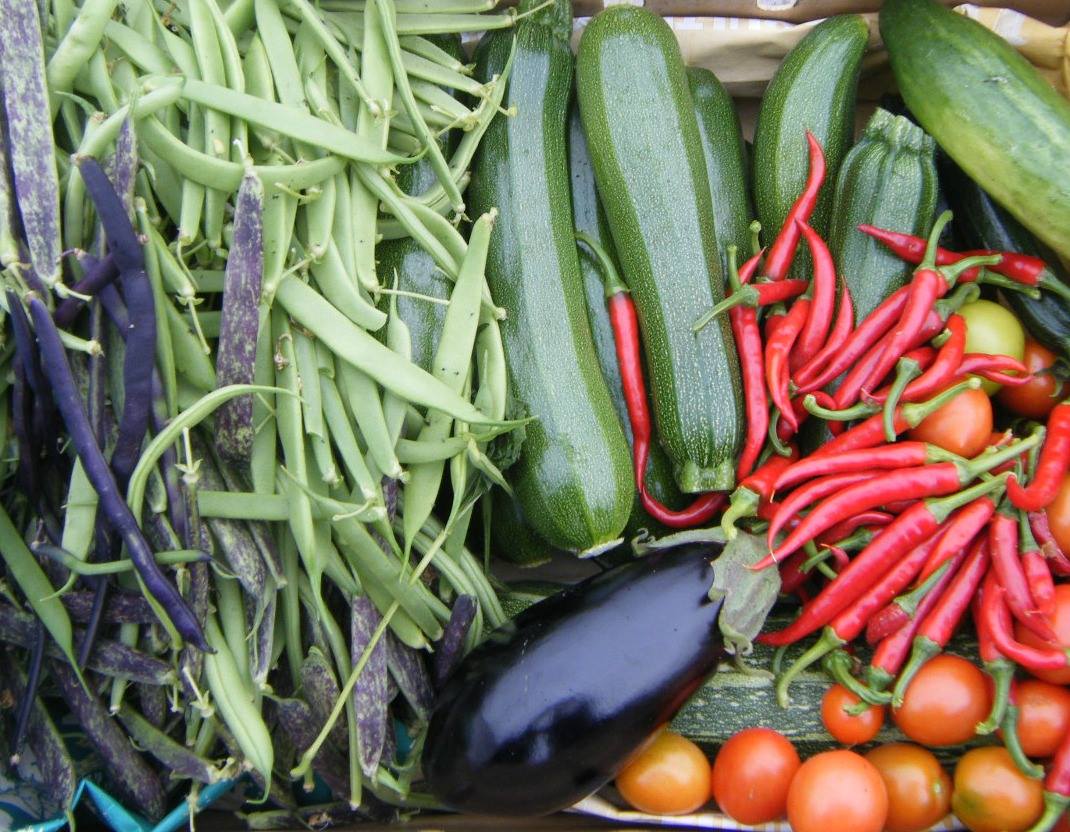
FOOD producers Transition Turriefield are set to stop selling fruit and vegetables to local shops as its co-founders scale back their production.
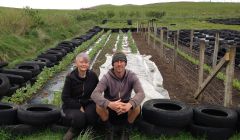
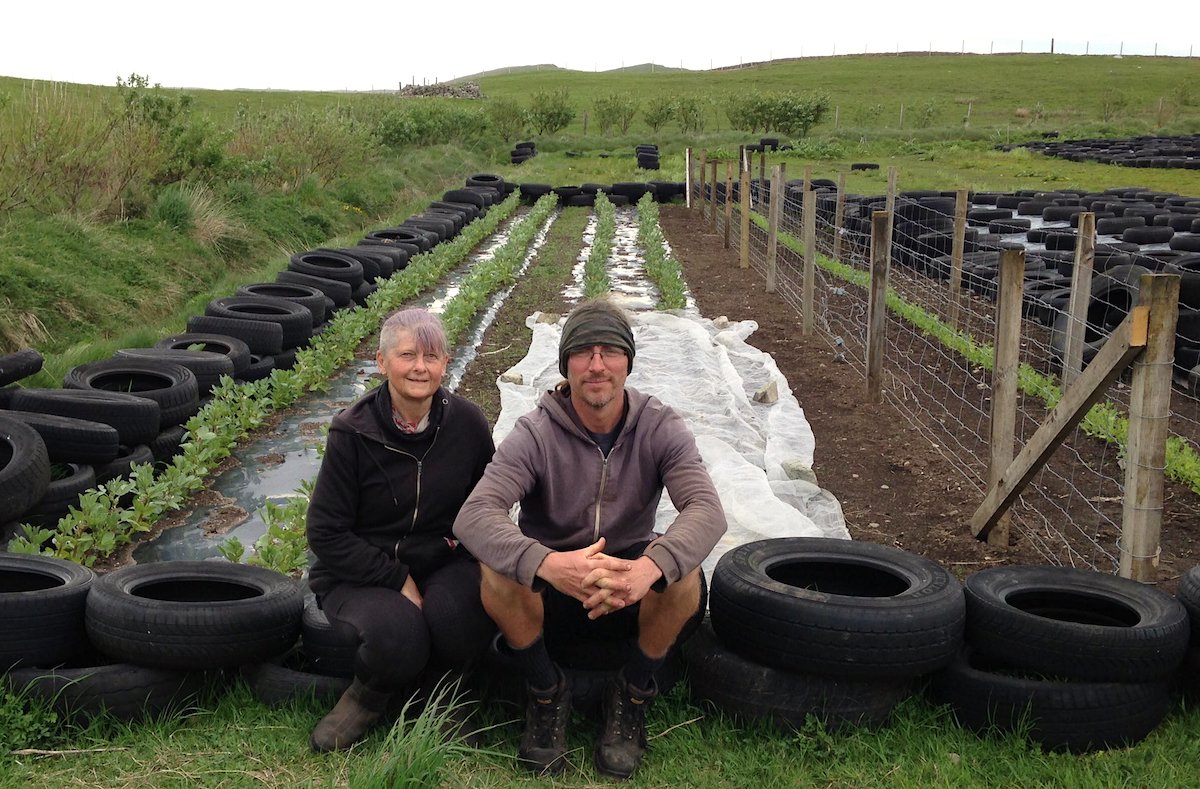
Penny Armstrong and Alan Robertson will stop all commercial production and take a “managed exit” from the enterprise they started in Sandness in 2011.
The pair have cited the financial unsustainability of the project and their health for the decision, which they said they have wrestled with for years.
Penny and Alan said they would be “cutting back dramatically”, with no produce going to local shops such as Scoop – a long-term champion of Turriefield.
“Alan and I can no longer continue to support all of the produce, either financially or physically,” Penny told Shetland News in their Sandness home last week.
“We’ve been supporting it financially for years and not taking any wages. And physically, we’re getting old.
“We’re definitely going to continue growing, but it’s now going to be a purely volunteer-led operation.




















“The volunteers want to do it, they want to see it continue, and we want to see it happen as well – we don’t want to stop growing.
“But for it to be manageable we have to have jobs ourselves, and we have a very limited amount of time.”
The community enterprise group aims to increase food security in Shetland by encouraging people to grow their own, while also reducing the carbon footprint.
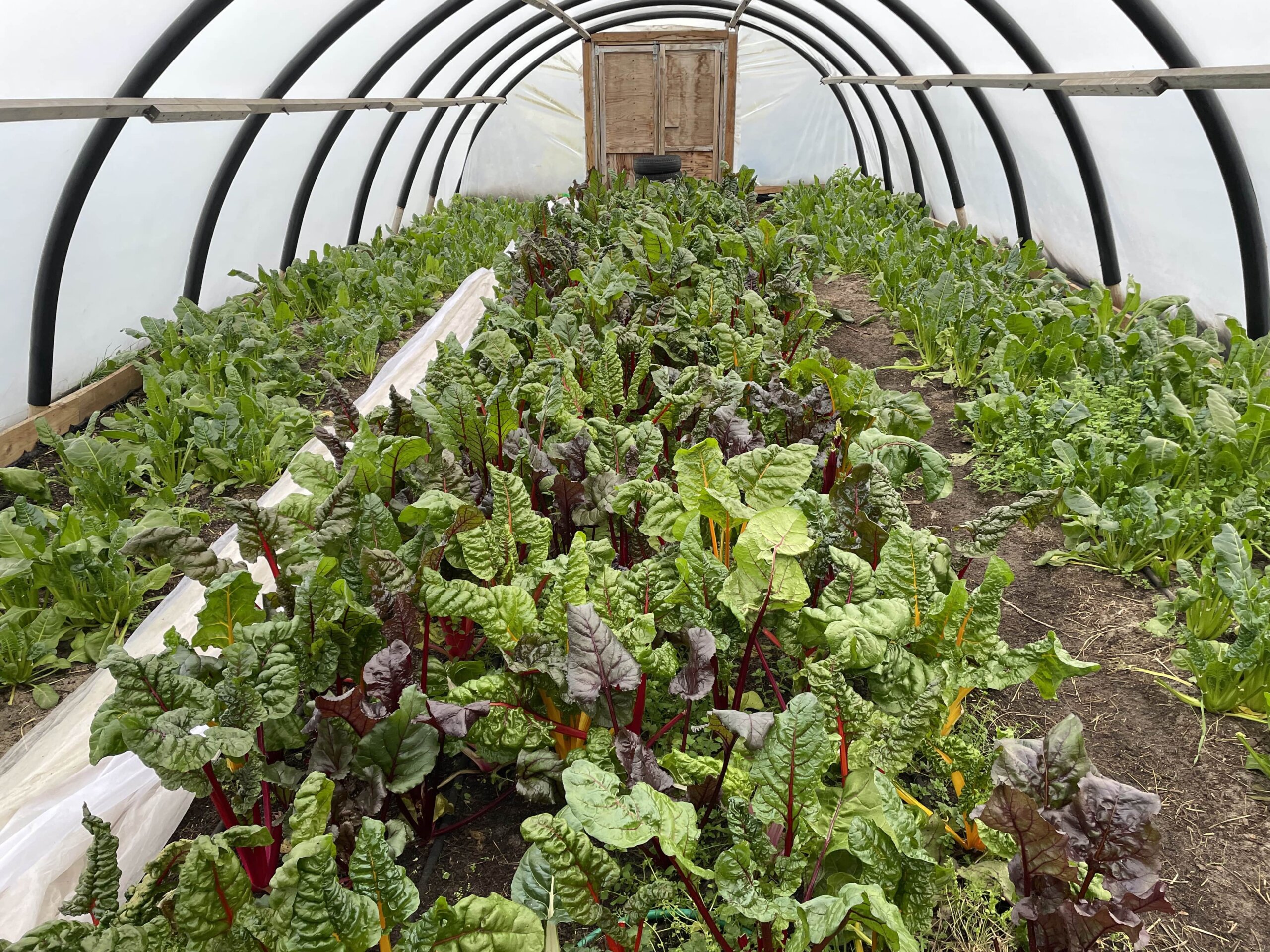
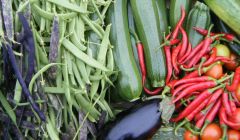
As well as growing fresh fruit and vegetables from their array of polytunnels in the field of their Sandness home, they also deliver workshops to other groups about how they can join in and grow their own produce.
While the educational projects will continue, Turriefield is now set to produce fruit and vegetables solely for the volunteers who turn up every Saturday and put the hard work in.
Become a member of Shetland News
The pair have been upfront previously about Turriefield’s financial unviability, none more so than in a Shetland News article from December 2024 when they spoke about the lack of government support for the community enterprise.
Penny said it “never has been financially sustainable” because of Shetland’s wild growing conditions and shorter season.
More than that though, the pair have grown tired of months fretting over what’s in their polytunnels, what needs to be watered and what needs to come out of the ground.
“Every year over the last 10 years we’ve sat down and thought, ‘can we really do this again’,” Alan laughed.
“But always come April or May, when the weather improves and the sun is out, then you get the energy to go again.”
Penny said they announced their decision to their “core group” of volunteers – who venture to Sandness every Saturday morning during the spring and summer to pitch in – late last year.
“I think we started by saying to them, ‘that’s it’,” Penny said.
However the volunteers were not prepared to give Turriefield up just yet, and Penny said they had convinced them “they really don’t want this to stop”.
Now instead, Turriefield is set to become a “solely volunteer-led project about community growing”.
“The ones that are coming to help are the ones going to be getting the produce,” Penny explained.
“So people have to come and put the hours in to get the produce. We’ll trial it this year, and if it works then we’re more than happy to keep it up.”
They say that around nine volunteers make the journey west every Saturday, people who enjoy the social aspect of community growing and who stop for coffee, cake or soup afterwards.
Penny believes their location, 40 miles from Lerwick, may have put some people off from venturing out every weekend and lightening the load for those that do.
Penny and Alan will still be pitching in around the polytunnels, and will continue their educational endeavours to “keep the growing continuing” around the isles.
“We can focus on that more if we’re not pushing ourselves to do this,” Penny said.
“The more people we’ve got growing food in Shetland the better.”
She describes this as a “managed exit” from Turriefield, while Alan jokes that their real managed exit from the project “will be in a wooden box”.
Asked if there is a relief to easing back on production, Alan replied: “Yeah, I think so.”
“It takes the pressure off,” Penny agreed. “We’ll not have to push as many lots of wheelbarrows up and down the hill, well not as many anyway, so there won’t be the physical side of it.
“From April to October we have always got something that needs to go in the ground, harvested or watered. There’s no let up with it.”
And for Alan, who says he has only left Shetland in November or January for the last 15 years, perhaps now a summer holiday is in order.
Penny says they will still continue to bang the drum for home-grown produce in the isles, even as they ease back from Turriefield.
“We still think locally produced food is really important,” she said.
“We would like to see Shetland become more self-reliant.”
Become a member of Shetland News
Shetland News is asking its readers to consider paying for membership to get additional perks:
- Removal of third-party ads;
- Bookmark posts to read later;
- Exclusive curated weekly newsletter;
- Hide membership messages;
- Comments open for discussion.
If you appreciate what we do and feel strongly about impartial local journalism, then please become a member of Shetland News by either making a single payment, or setting up a monthly, quarterly or yearly subscription.