

Connectivity / Major broadband companies ‘absolutely failed’ Shetland in outage response
Mhari McLeman tells Westminster committee 2022 outage was ‘like living in a war zone’

BROADBAND providers like TalkTalk, Vodafone and Sky “absolutely failed island communities” with their “woeful” response to major outages in Shetland last year, a Westminster committee has heard.
Isles resident Mhari McLeman accused the trio, and Utility Warehouse, of failing Shetlanders in the aftermath of two serious broadband outages in 2025.
Both of those came after the Shefa-2 subsea cable was damaged – and Faroese Telecom managing director Páll Højgaard Vesturbú revealed the cable has had 20 serious breaks in just 19 years.
Hundreds of customers lost internet service for just under two weeks in July 2025, before a further 26 day outage in October last year.
BT customers were among those were automatically switched over to another cable to continue their connectivity when the Shefa-2 subsea cable was damaged.
But none of TalkTalk, Vodafone, Utility Warehouse or Sky have an agreement in place to use this back-up cable in the event of a failure – leaving their customers in digital darkness.



















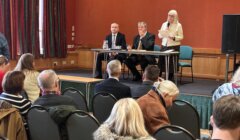
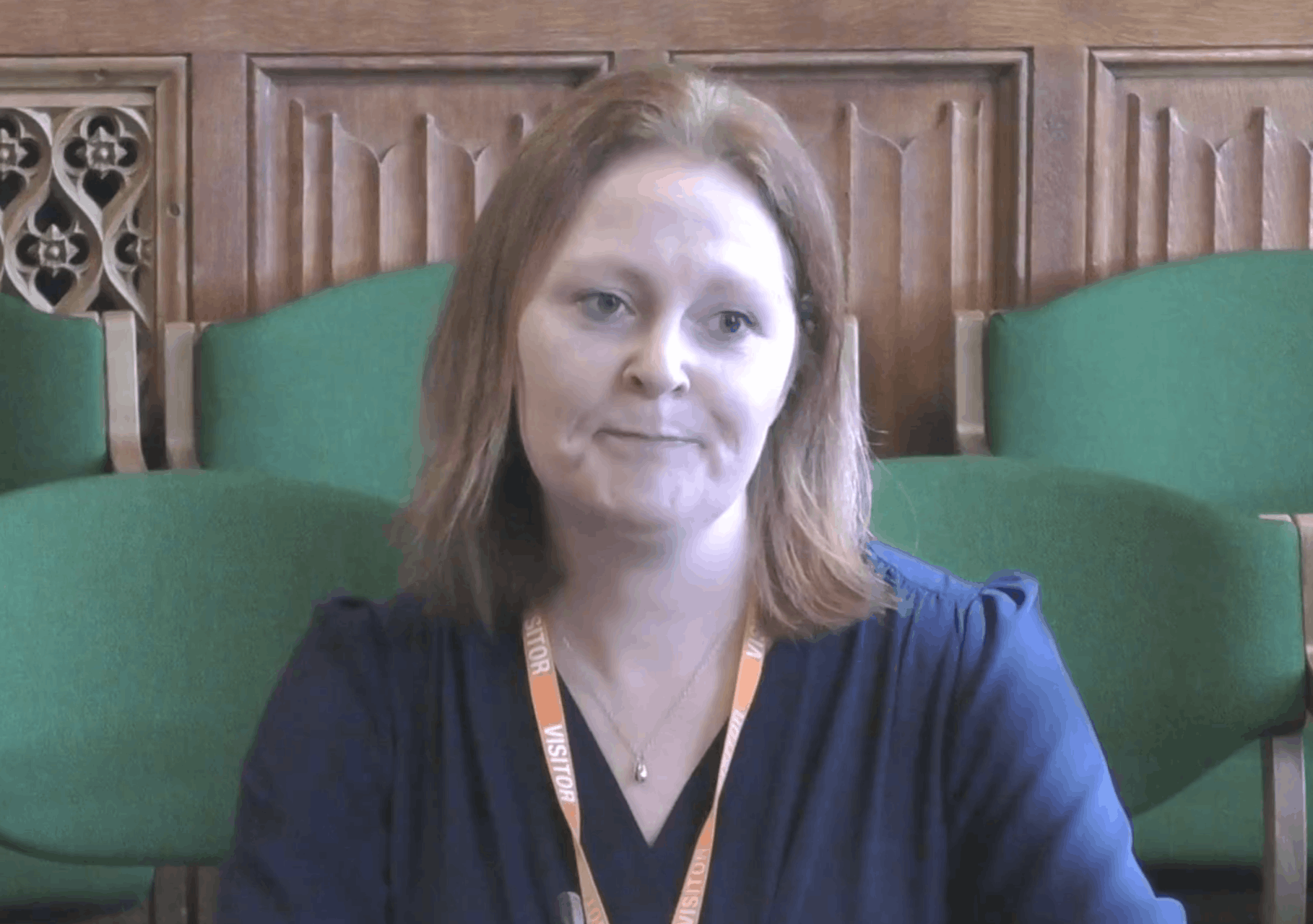
McLeman – who described herself as an “outspoken” critic and a Vodafone customer – was giving evidence at a UK Parliamentary inquiry into the impact subsea cable damage has had on Scottish island communities today (Wednesday).
She described a mass outage in 2022, which was caused by a fishing vessel damaging the Shefa-2 cable, as “catastrophic” and likened it to “living in a war zone”.
“The community didn’t feel safe,” she said.
“There was no certainty that 999 calls would go through. The police said to flag down an emergency vehicle in an emergency.
“It was quite terrifying. It’s not nice to feel unsafe in your community.”
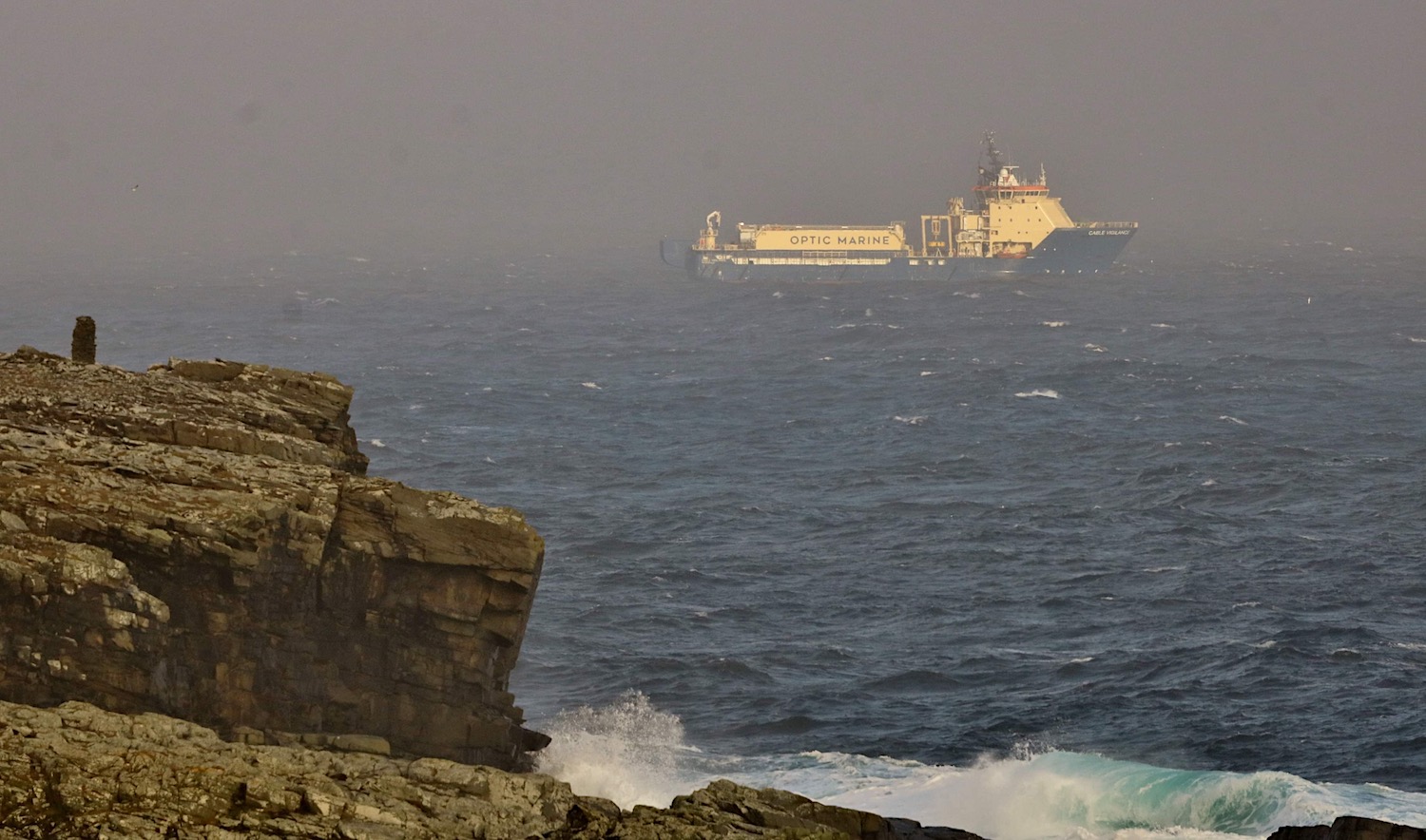
In late July 2025 the cable – which runs from Faroe Islands to mainland Scotland via Orkney and Shetland – was damaged once again by a fishing vessel, leading to a 12-day outage.
Become a member of Shetland News
And then in October 2025 bad weather caused a further rupture, which Vesturbú said was far more “complex” to assess and fix.
McLeman explained to the parliamentary committee that it was “very confusing” to have no internet while her neighbour did.
She said that companies like TalkTalk and Vodafone “do not pay for resilience”, so when the cable broke their customers “just have no connectivity”.
“They’re basically saying a single point of failure is okay. That is what the community is not happy about,” McLeman said.
The October outage had a “profound impact on businesses” and “vulnerable households”, she added.
Many customers, such as herself, had not left companies like Vodafone in the wake of the July disruption because they were still waiting for compensation.
She added that this was supposed to be automatic compensation, and that it had “never arrived”.
When the next cable break came in October, customers “tried to leave those internet service providers in their masses” McLeman said, adding they should have been able to do so “with ease”.
However local issues with OpenReach meant that a backlog of customers were unable to complete switches to other providers such as BT and Plusnet.
“Those internet service providers happily took the orders and in the vast majority of cases it didn’t work,” she said.
McLeman said there was nothing to tell Shetlanders when they signed up to a broadband provider how resilient they would be in the event of an outage.
“The response to the community has been pretty woeful,” she said.
“Neither operators would answer questions about using the existing resilience back-up route.
“There is no action that they are committing to take just now. There doesn’t seem to be any evidence of any real progress.”
She added that she was “not sure if they have any customers left in Shetland” following the outages.
“They have absolutely failed island communities,” she said.
McLeman called for internet service providers to give “more openness and transparency” about the actual level of service they can give communities like Shetland.
She added regulator Ofcom had made a “very sobering point” that it did not have any powers to force companies to build resilience into their systems.
And she concluded her comments by calling Ofcom “a bit of a toothless operator”.
Vesturbú also spoke to the inquiry virtually, and revealed that the Shefa-2 cable had suffered over 20 major breaks since going live in 2007.
The majority of breakages were caused by “Scottish boats”, he said, many of which had turned off their automatic identification system (AIS).
He said they had only been able to find details about which boats had caused damage to the cable in recent years by submitting freedom of information requests to the Scottish Government.
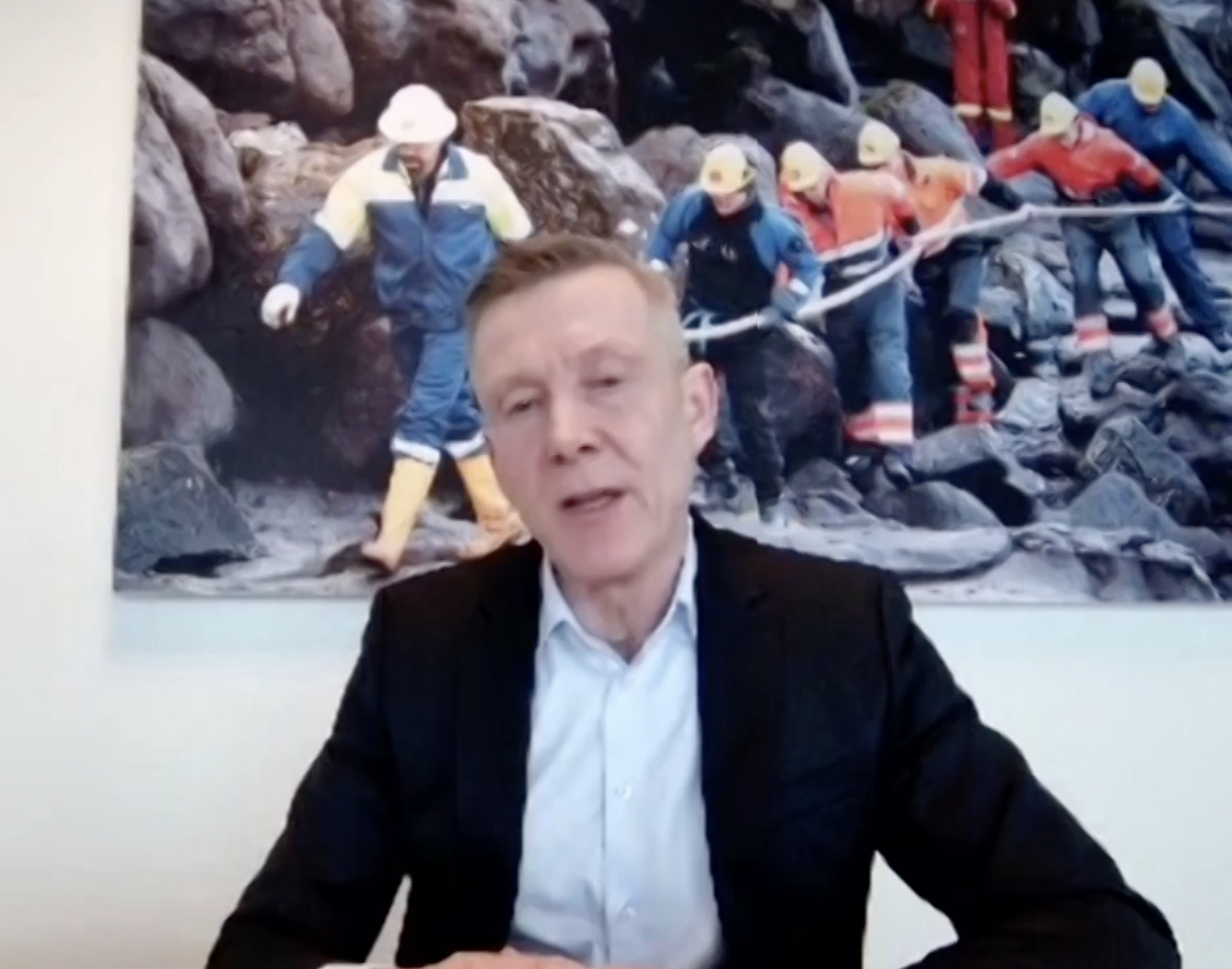
While he said that “very few vessels turn the AIS off”, he added: “Usually these are the ones that have caused damage to the cable”.
Vesturbú called for better enforcement on boats which turn AIS off.
Asked whether the cable could be buried deeper in the sea bed, he said it was “very difficult” to bury an existing cable any deeper.
He said the cable was “very well marked” on charts for fishermen to avoid.
And questioned on the Shefa-2 cable’s expected lifespan, Vesturbú said cables would usually last around 25 years.
However, he told the inquiry that as the cable does not contain “repeaters” for extending the cable’s length, it “could last much longer than 25 years” – if it avoids “too many damages”.
Become a member of Shetland News
Shetland News is asking its readers to consider paying for membership to get additional perks:
- Removal of third-party ads;
- Bookmark posts to read later;
- Exclusive curated weekly newsletter;
- Hide membership messages;
- Comments open for discussion.
If you appreciate what we do and feel strongly about impartial local journalism, then please become a member of Shetland News by either making a single payment, or setting up a monthly, quarterly or yearly subscription.