Sunken Swedish treasure

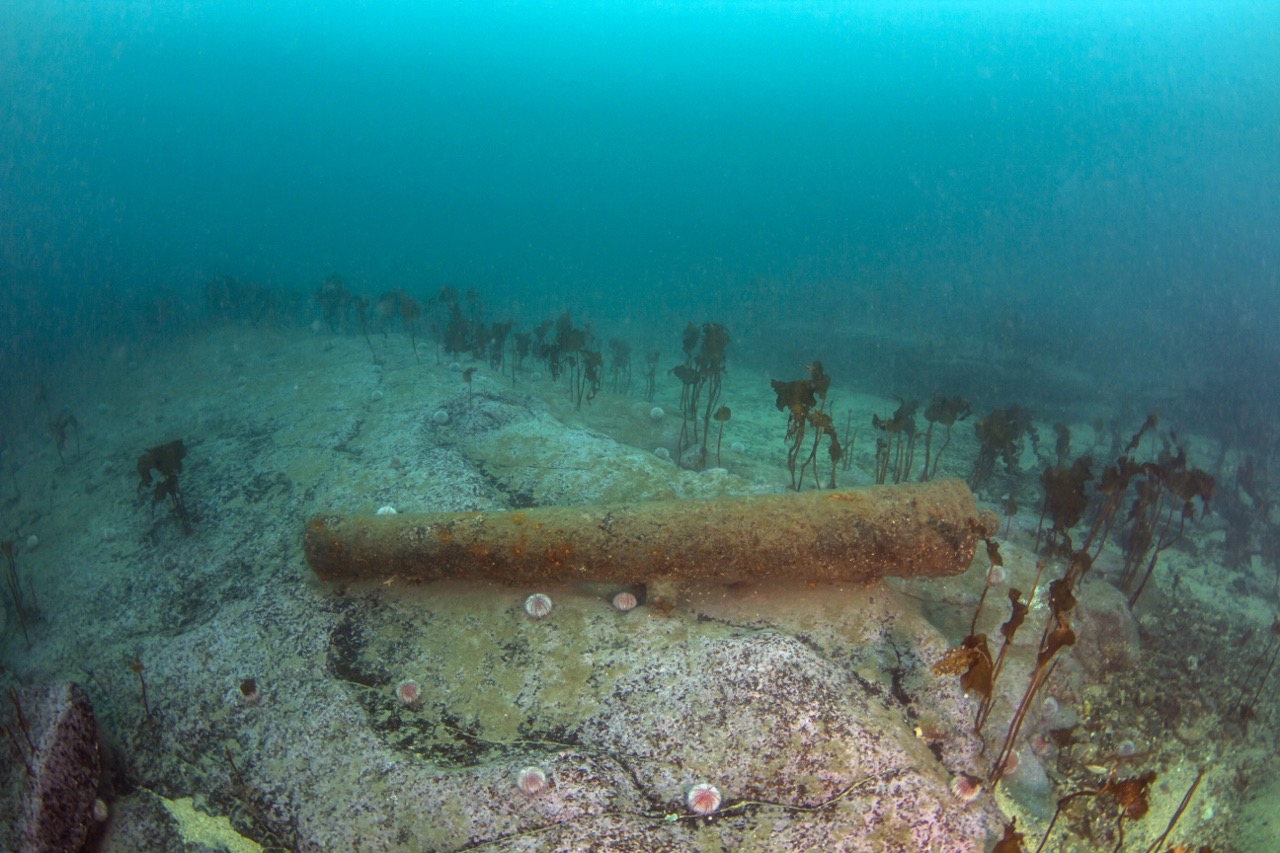
A NEW EXHIBITION of sunken treasure from an eighteenth century wreckage off the Knab has been unveiled at Shetland Museum and Archives.
Two displays, located outside the archives, showcase finds from the 1745 wreck of the Drottningen af Swerige (Queen of Sweden) within the confines of Lerwick Harbour.
The exhibition promises to offer a “fascinating snapshot of life onboard an eighteenth century trading vessel”.
The 147-foot long Drottningen af Swerige, weighing 950 tonnes, was the flagship of the Swedish East Company. It left Gothenburg, along with the Stockholm vessel, on 9 January 1745 and quickly ran into trouble a few days later as the weather deteriorated.
With high winds, blizzard conditions and poor visibility the ships struggled to maintain course. The Stockholm floundered and was lost off Braefield, Dunrossnesss, and nothing now remains of the ship.
The Drottnigen af Swerige continued, with her captain deciding to run for the safety of Lerwick. Unfortunately, just as she came into sight of safety, the weather deteriorated and she struck rock just hours after the Stockholm. All the crew from both vessels made it to shore safely.
The Swedish East India Company, established in 1731 following several failed attempts, was inspired by the success of the Dutch East Company. Sweden was the last prominent European nation to become involved in the Eastern trade. It was the largest company in Sweden and was dissolved in 1813.
Under the command of Captain Carl Johan Treutiger, the Drottningen af Swerige carried 130 men and boasted 32 guns. Built in Stockholm in 1741 for £12,500 (over £1 million in today’s prices), she was the largest vessel in the company’s fleet and was a trading vessel to China. She was partially loaded, en route to Cadiz in Spain for more supplies before heading to Canton in China.
Help keep Shetland’s news open to everyone

Good local journalism takes time, care and people on the ground. Membership helps us keep reporting the stories that matter to Shetland — and keep them free for everyone to read. Members get a weekly newsletter created especially for them, local ads only, and can bookmark stories and join the conversation in the comments.
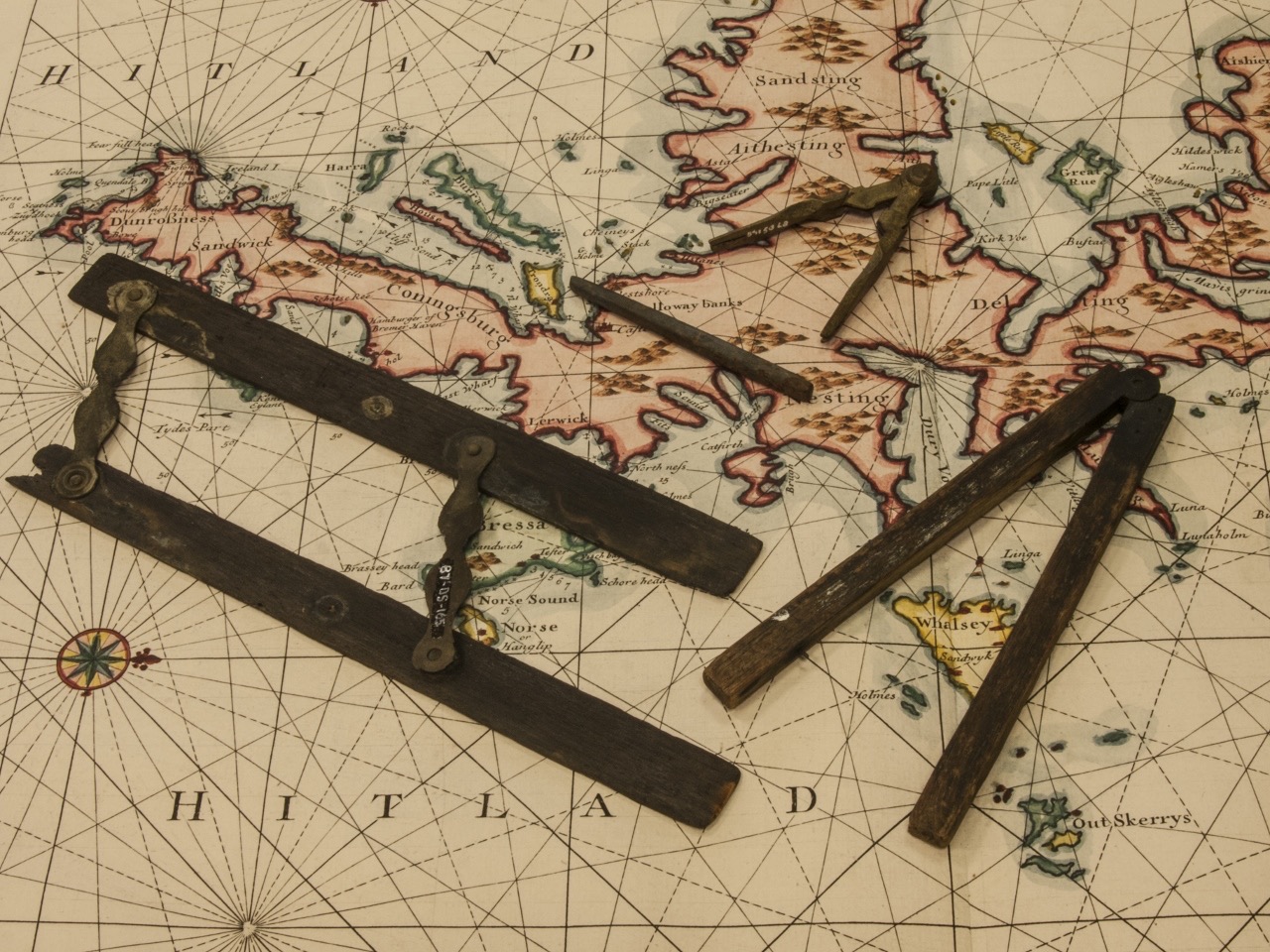
Shetland Museum’s display also features an extremely rare chart, dating to the 1740s, which was created by Dutch cartographer Joannes Van Keulen. Used as a navigational aid, this chart contains information about the sea and cost, including tides, anchorages and dangerous rocks.
Charts, unlike maps, contained hill profiles to help mariners recognise land masses. Marine atlases adorned the chart table on board vessels such as the Drottningen af Swerige.
Dutch cartographers were prolific mapmakers – unlike the British, they made many maps of Shetland and this recent acquisition is one of the rarest of all Shetland charts.
The exhibition is set to run throughout 2015.
Keep Shetland’s news open to everyone
Your membership helps us report the stories that matter to Shetland — and keep them free for everyone to read.