
Pelagic fish a ‘climate smart food source’

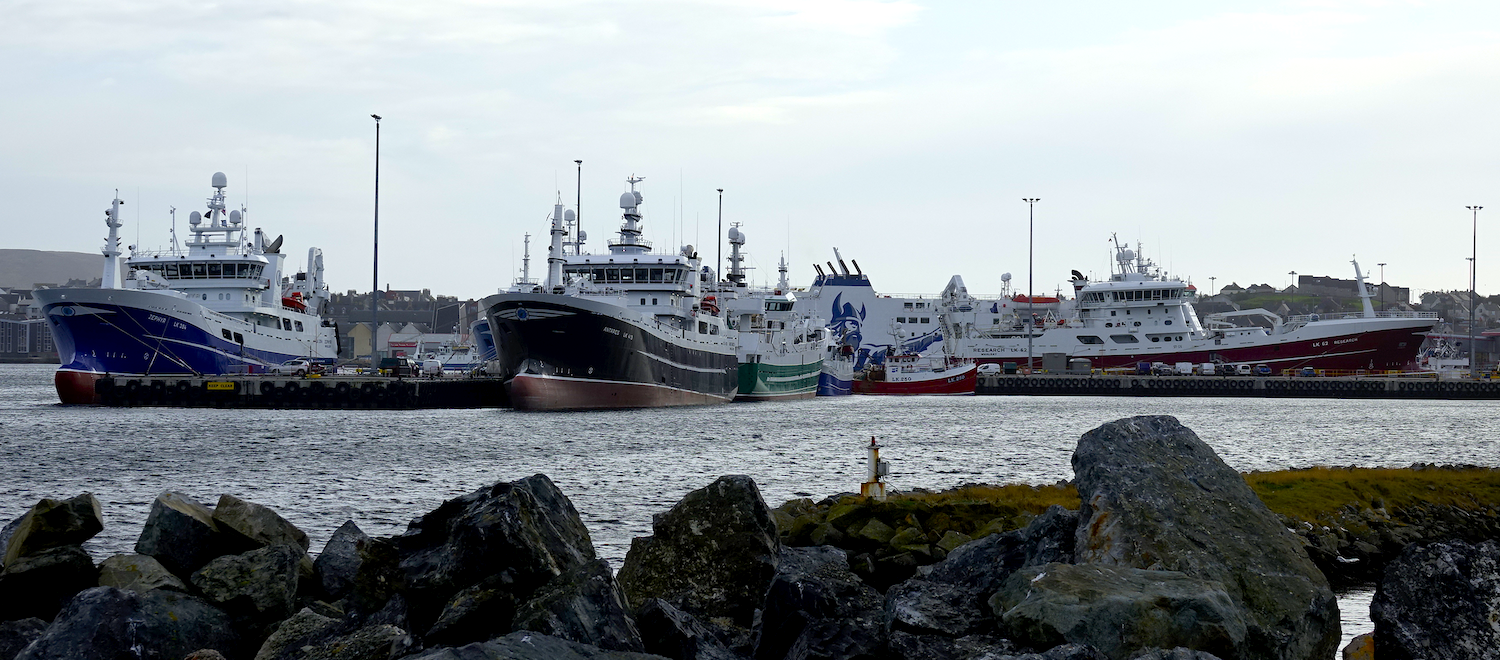
SCOTTISH-caught pelagic fish such as mackerel and herring have a lower carbon footprint compared to other types of food production, according to a newly published PhD research project.
The study Environmental impacts of pelagic fish caught by Scottish vessels was carried out by Frances Sandison and has been funded by the seafood industry and Shetland Islands Council as well as the universities of Aberdeen and the Highlands and Islands.
Her study also found that Scottish-caught pelagic fish have a lower carbon footprint and environmental impact when compared to other seafood products.
This includes UK farmed salmon, which is 7.2 times higher, and Norwegian caught cod and haddock, which are 3.5 and 3.9 times higher than Scottish caught pelagic fish.
This latest scientific work extended her earlier finding at the NAFC Marine Centre (Low carbon mackerel, Shetland News, 27 September 2015) which revealed that the carbon footprint of the Shetland mackerel trawl fishery was much lower compared to land-based meat production, including chicken, beef and pork.

























Seafood production in general has a lower carbon footprint than land-based meat production.

Sandison said: “In Scotland we have access to a fantastically low impact, highly nutritious, locally caught source of protein.
“Compared to other meat sources the choice is clear for the environmentally conscious consumer – we should be eating more local pelagic fish.”
Her environmental impact study also found that fuel consumption in the fishing phase is the main contributor of carbon emissions.
Enhancing fuel efficiency through innovations in vessel design and fishing practices and a transition to alternative fuel sources are part of the Scottish pelagic sector’s efforts to minimise emissions.
Chairman of the Scottish Pelagic Sustainability Group Ian Gatt said that sustainably managed pelagic fish represents a “climate smart food source” which helps to deliver on targets for achieving net zero carbon.
Help keep Shetland’s news open to everyone

Good local journalism takes time, care and people on the ground. Membership helps us keep reporting the stories that matter to Shetland — and keep them free for everyone to read. Members get a weekly newsletter created especially for them, local ads only, and can bookmark stories and join the conversation in the comments.
“For the Scottish pelagic sector there is a lot at stake with climate change, given that mackerel and herring have an established global trade that helps ensure food security as an affordable and nutritious protein in many parts of the world,” he said.
Scottish fishermen have invested heavily in modern vessels and fish handling systems, and processors in the latest equipment, to ensure a low carbon footprint product that can be delivered to market in an efficient manner.
“As such, Scottish mackerel and herring production really do tick all the right boxes when it comes to sustainability, nutrition, and low carbon footprint,” Gatt said.
The full study can be read here: https://authors.elsevier.com/a/1cI5GbiU1p3iu
Keep Shetland’s news open to everyone
Your membership helps us report the stories that matter to Shetland — and keep them free for everyone to read.