

Extraordinary migration (with video)

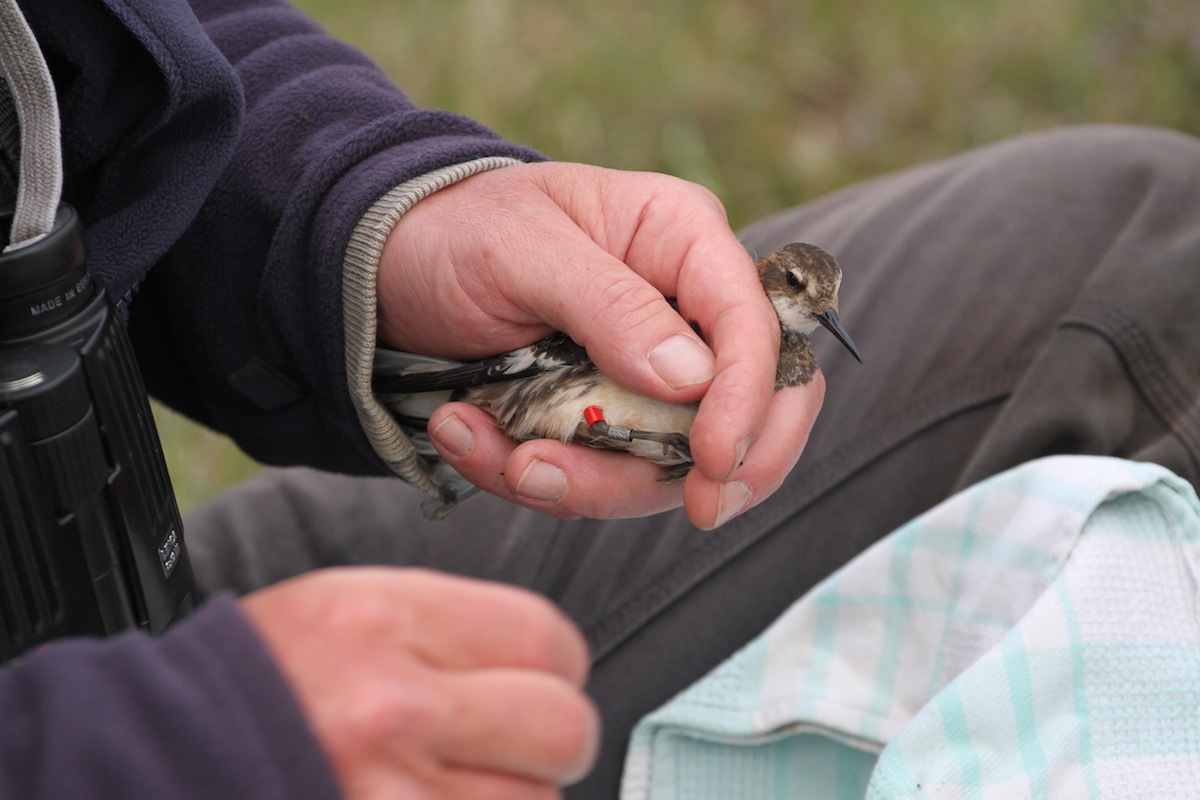
A TINY wading bird, which has its UK stronghold in Shetland, has made an epic 16,000 miles round trip during its annual migration to return to the small island of Fetlar.
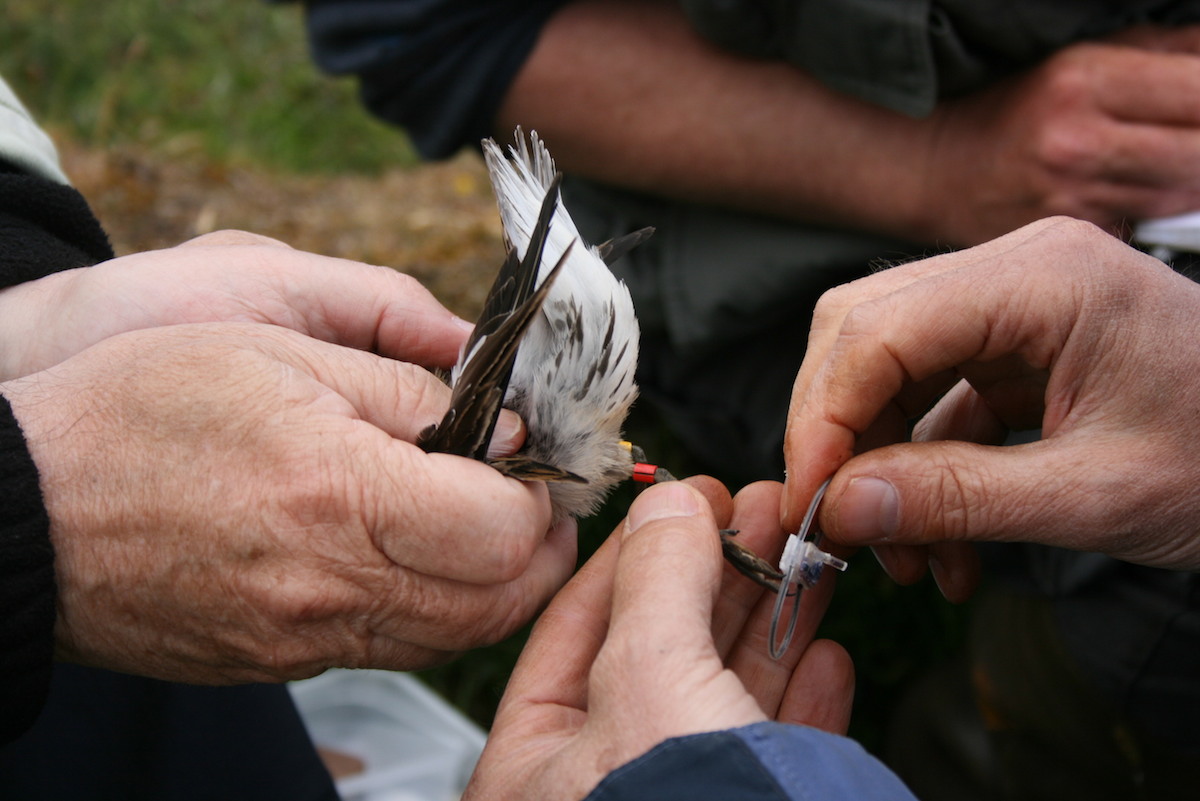
A lightweight tracking device fitted to a male red-necked phalarope has now helped scientists uncover one of the world’s great bird migrations.
It revealed that the bird migrated west across the Atlantic to the Pacific Ocean, a journey never recorded for any other European breeding bird.
In 2012, the RSPB, working in collaboration with the Swiss Ornithological Institute and Dave Okill of the Shetland ringing group, fitted geolocators to ten red-necked phalaropes nesting on Fetlar, in the hope of learning where they spend the winter.
After successfully recapturing one of the tagged birds when it returned to Fetlar last spring, experts discovered it had been flying from Shetland across the Atlantic, south down the eastern seaboard of the US, across the Caribbean, and Mexico, ending up off the coast of Peru.


























After wintering in the Pacific, it returned to Fetlar, following a similar route.
Prior to this, many experts had assumed that Scottish breeding phalaropes joined the Scandinavian population at their wintering grounds, thought to be in the Arabian Sea.
The red-necked phalarope is one of the UK’s rarest breeding birds. It is now only found in Shetland and the western isles, and numbers fluctuate between just 15 and 50 nesting males.
Scotland marks the southern limit of its breeding range, with the species far more abundant further north where it occupies wetlands around the northern hemisphere.
Famed for turning the tables on traditional gender roles, in summer, male birds can be found incubating eggs and raising young, whilst the female uses her brightly coloured plumage to attract new partners.
Malcie Smith of the RSPB said: “To think this bird, which is smaller than a starling, can undertake such an arduous journey and return safely to Shetland is truly extraordinary.
Help keep Shetland’s news open to everyone

Good local journalism takes time, care and people on the ground. Membership helps us keep reporting the stories that matter to Shetland — and keep them free for everyone to read. Members get a weekly newsletter created especially for them, local ads only, and can bookmark stories and join the conversation in the comments.
“This tiny tracker has provided a valuable piece of the puzzle when building a picture of where phalaropes go when they leave our shores.
“We hadn’t realised that some Scottish birds were travelling thousands of miles to join other wintering populations in the Pacific Ocean.”
Here is a short video of a red-necked phalarope in Fetlar taken by Hugh Harrop of Shetland Wildlife:
Keep Shetland’s news open to everyone
Your membership helps us report the stories that matter to Shetland — and keep them free for everyone to read.